Heating · 5 min read · Updated June 2026
Repair or replace? 6 signs your furnace is done
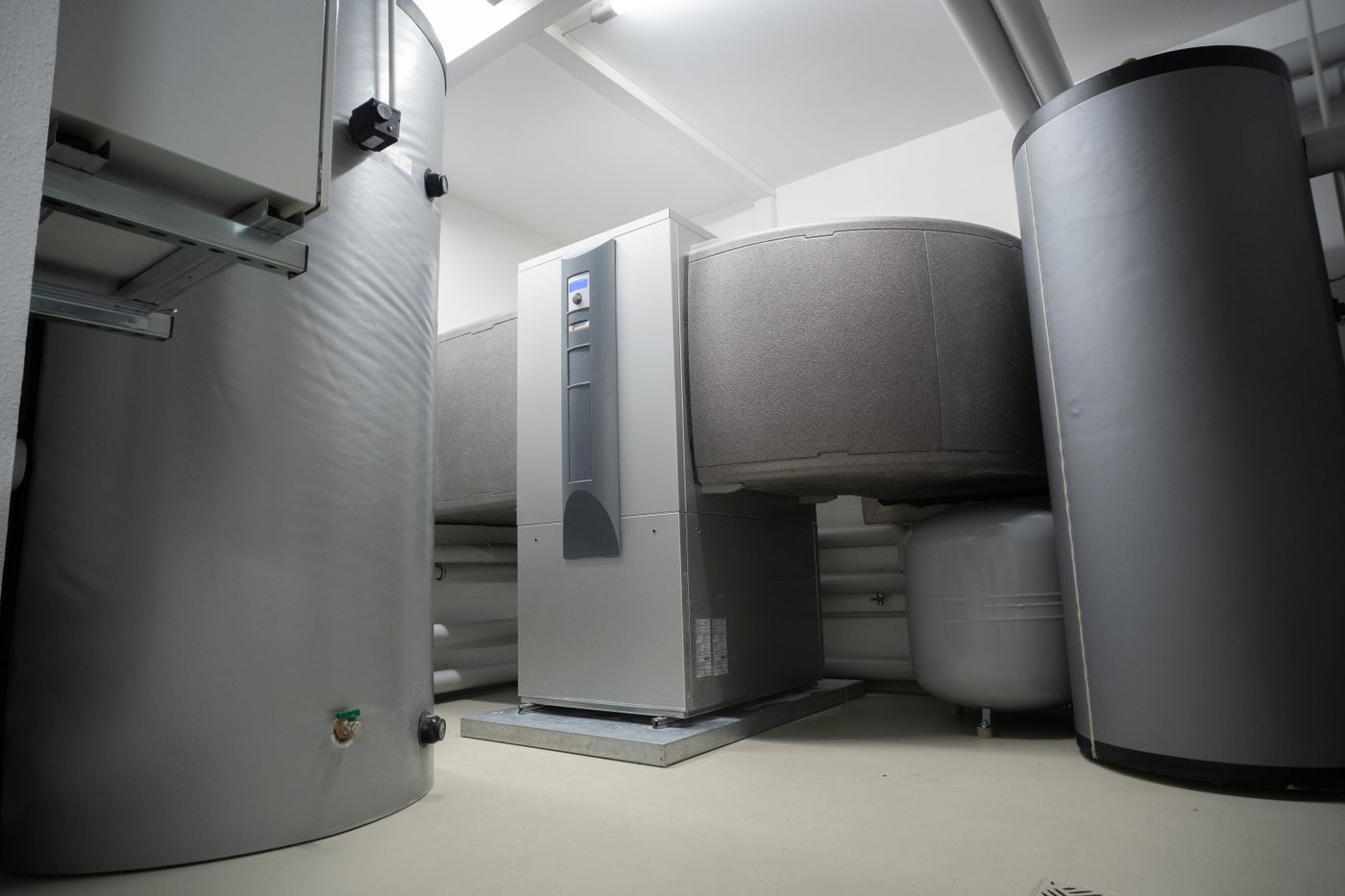
Nobody wants to replace a furnace a year too early — or nurse one along a winter too long. Here's exactly how our comfort advisors frame the decision on real service calls.
1. It's 15+ years old
The average gas furnace lasts 15–20 years. Past 15, efficiency has usually slipped from 80% toward the low 70s, and major parts start failing in sequence. Replacement planning beats emergency replacement every time.
2. Gas bills keep climbing
Compare this January to three winters ago, adjusted for rates. A steady upward creep with the same thermostat habits means the furnace is working harder for the same heat — often a failing heat exchanger or worn burners.
3. Repairs are stacking up
Our rule of thumb: if a repair costs more than a third of replacement — or you've paid for two significant repairs in two years — the money is better spent on a new system with a 10-year warranty.
4. Strange new noises
Banging on startup, rattling blowers, or high-pitched squeals signal expanding cracks, failing motors, or slipping belts. Some are cheap fixes; persistent banging from the heat exchanger area is a replacement flag.
5. Rooms won't stay even
When the thermostat says 70° but bedrooms swing between chilly and stuffy, an aging single-stage furnace with tired airflow is often the cause. Modern two-stage and modulating units hold temperatures within half a degree.
6. The safety red flag: a cracked heat exchanger
Cracks can spill carbon monoxide into your supply air. Warning signs include soot streaks, a flickering burner flame, or CO detector alerts. If we find a crack, we shut the furnace down the same visit — no exceptions — and walk you through next steps.
Unsure where your system stands? Our free replacement assessment includes combustion analysis and a written repair-vs-replace comparison. No pressure — just the math.